Proven Frameworks
Discover the science-backed frameworks used by top performers worldwide. Choose the system that fits your lifestyle and watch your habits transform.
What Are Habit Systems?
James Clear famously wrote in Atomic Habits: "You do not rise to the level of your goals. You fall to the level of your systems." This insight is at the core of everything we do at Building System.
A habit system is a structured framework that makes good behavior automatic and bad behavior difficult. Rather than relying on motivation — which is fleeting — systems create environmental conditions that support the habits you want.
Below you'll find the five most powerful habit systems, each backed by behavioral science and real-world results. Explore them, understand them, and choose the one that resonates with your life.
Learn Habit Science
The 5 Systems
Each system works differently. Click to explore how each one functions and when to use it.
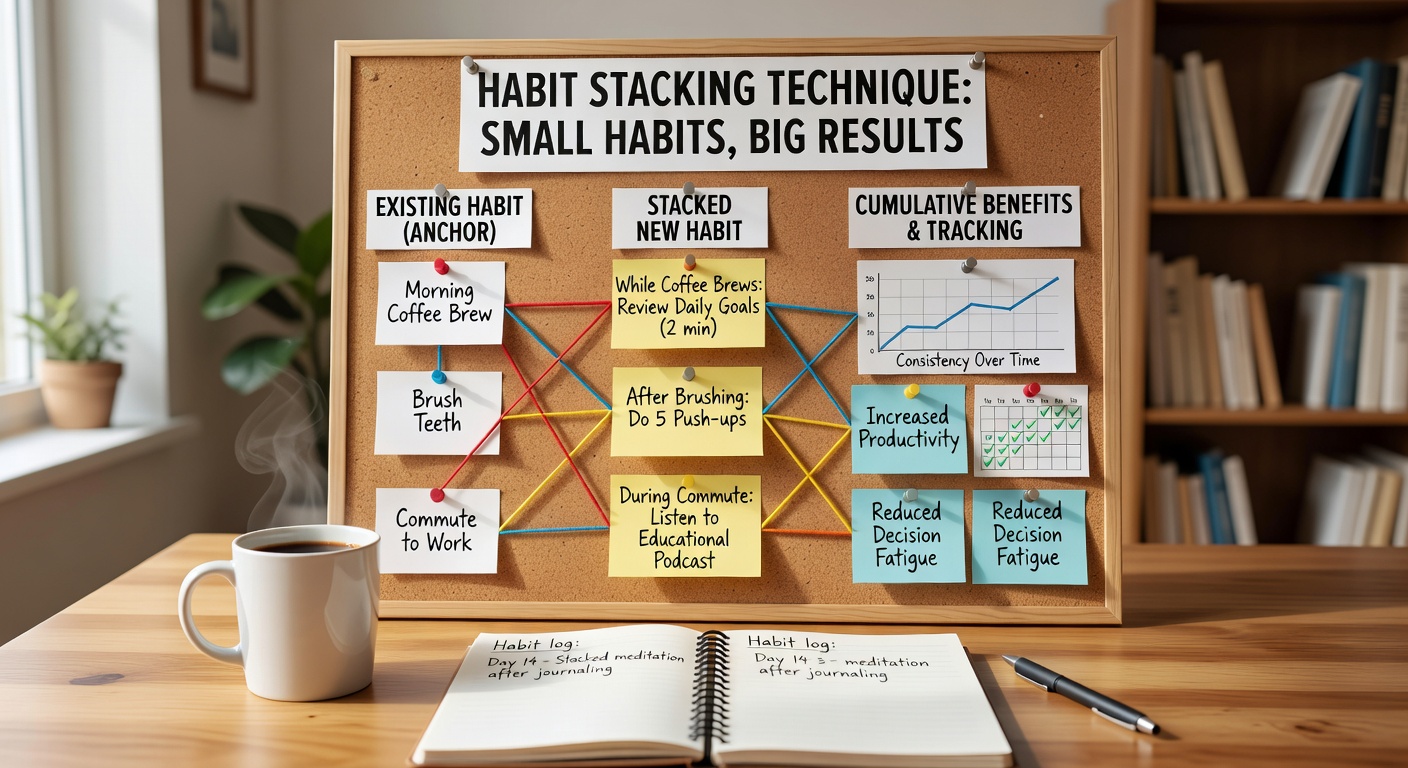
Habit stacking, popularized by BJ Fogg and later James Clear, is one of the most powerful techniques for building new habits. The formula is simple: "After I [CURRENT HABIT], I will [NEW HABIT]."
By anchoring a new behavior to an existing routine, you leverage the power of established neural pathways. Your current habits serve as cues for new ones, creating a chain of behaviors that reinforce each other.
Examples of Habit Stacks:
Best for: People with established daily routines who want to add new habits without disrupting their flow.
The 2-Minute Rule states: when you start a new habit, it should take less than two minutes to do. The idea is that any habit can be scaled down to a two-minute version.
Want to read more? Start with "Read one page." Want to meditate? Start with "Sit in meditation position for two minutes." Want to exercise? Start with "Put on your workout clothes."
The logic behind it:
Best for: People who struggle with procrastination or find starting habits difficult. Excellent for building momentum.
Implementation intentions are specific plans you make in advance about when, where, and how you will perform a behavior. Research by Peter Gollwitzer shows they dramatically increase follow-through.
The formula: "I will [BEHAVIOR] at [TIME] in [LOCATION]." For example: "I will meditate for 10 minutes at 7:00 AM in my bedroom before I look at my phone."
Why implementation intentions work:
Best for: People who have clear goals but struggle with actually executing them consistently. Works especially well with time-based habits.
Temptation bundling, developed by behavioral economist Katherine Milkman, involves pairing a habit you need to do with something you want to do. The formula: "I will [WANT] only when I [NEED]."
This technique makes unpleasant or difficult habits more enjoyable by linking them to immediate rewards. It transforms the experience from something you dread to something you look forward to.
Effective bundles:
Best for: People who struggle with motivation for boring or difficult habits. Excellent for exercise, chores, and any task that feels tedious.
The Habit Scorecard is a self-awareness exercise where you list all your daily habits and label each as positive (+), negative (-), or neutral (=). It's a diagnostic tool before building new habits.
The process starts with simply observing your behaviors without judgment. Many people are surprised to discover habits they didn't know they had — both good and bad. Awareness is the first step to change.
How to create your scorecard:
Best for: Beginners who want to understand their current habits before building new ones, or anyone feeling stuck despite trying other methods.
The Big Picture
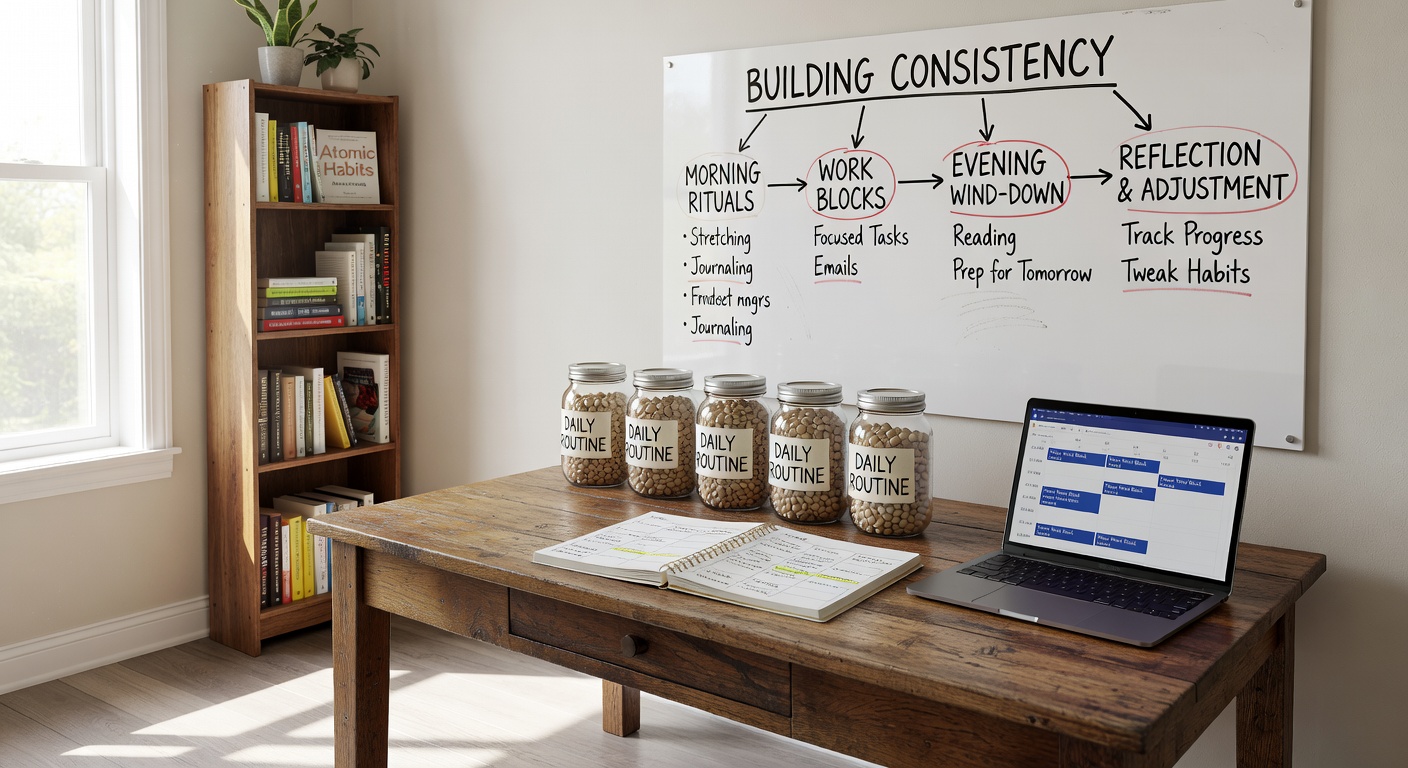
No system works unless you show up consistently. Research shows that habits typically take between 18 and 254 days to form — the average is 66 days. This wide range exists because habits vary in complexity and individual circumstances differ greatly.
The key is to never miss twice. Missing one day is human. Missing two days is starting a new (bad) habit. Our tracker is designed around this principle, giving you gentle reminders and celebrating your return after a missed day.
Remember: you don't need to be perfect. You need to be consistent. Even completing a habit at 50% effort keeps the streak alive and the identity reinforced.
Start Your StreakDecision Guide
Match the system to your situation for the best results.
Start with the Habit Scorecard to understand your current patterns, then use the 2-Minute Rule to add new habits gradually.
Habit Stacking is your best friend. Identify your anchor habits and layer new behaviors on top of what you already do automatically.
The 2-Minute Rule combined with Implementation Intentions creates a powerful combination for overcoming inertia and procrastination.
Temptation Bundling makes difficult habits enjoyable. Pair every must-do with a want-to-do and watch your motivation transform.
Combine all five systems. Use the Scorecard to audit, Stacking to build, Intentions to schedule, 2-Minute to start, and Bundling to sustain.
Return to basics with the Habit Scorecard. Most failures come from unidentified obstacles. Diagnose first, then redesign your system.